In the world of vaccines, the MMR shot stands out like a superhero in a crowded comic book store. It swoops in to protect against measles, mumps, and rubella, three viruses that definitely don’t know how to throw a good party. But when did this legendary vaccine first make its debut?
Back in the 1970s, the MMR vaccine burst onto the scene, ready to save the day and keep kids healthy. Since then, it’s become a staple in pediatric care, ensuring that children can enjoy their childhood without the worry of these pesky diseases. Let’s take a quick trip down memory lane to explore the origins of this remarkable vaccine and why it’s still a vital part of public health today.
Overview of the MMR Vaccine
The MMR vaccine protects against measles, mumps, and rubella, three contagious diseases that can result in severe health complications. Introduced in 1971, this combination vaccine significantly reduced the incidence of these diseases, contributing to the decline of outbreaks.
Measles can lead to pneumonia, encephalitis, and even death. Mumps may cause complications like meningitis and orchitis. Rubella poses risks during pregnancy, including congenital rubella syndrome, which can lead to severe birth defects.
The MMR vaccine comprises live attenuated viruses, effectively stimulating an immune response. Children typically receive the first dose between 12 and 15 months of age, followed by a second dose between four and six years. This two-dose schedule maximizes protection and is crucial for achieving herd immunity.
Clinical trials established the vaccine’s safety and efficacy. Side effects are generally mild, including fever or rash. Serious adverse reactions remain rare, making the MMR vaccine a safe choice for pediatric immunization.
Public health authorities encourage MMR vaccination to prevent outbreaks. Vaccination rates significantly affect community health, as higher rates lead to lower transmission of the diseases. Continued education about the vaccine’s benefits is essential in countering misinformation and hesitancy.
The MMR vaccine plays a vital role in public health by preventing measles, mumps, and rubella. Its introduction in the 1970s has had a lasting impact on childhood health, allowing children to grow up in a safer environment.
Historical Development
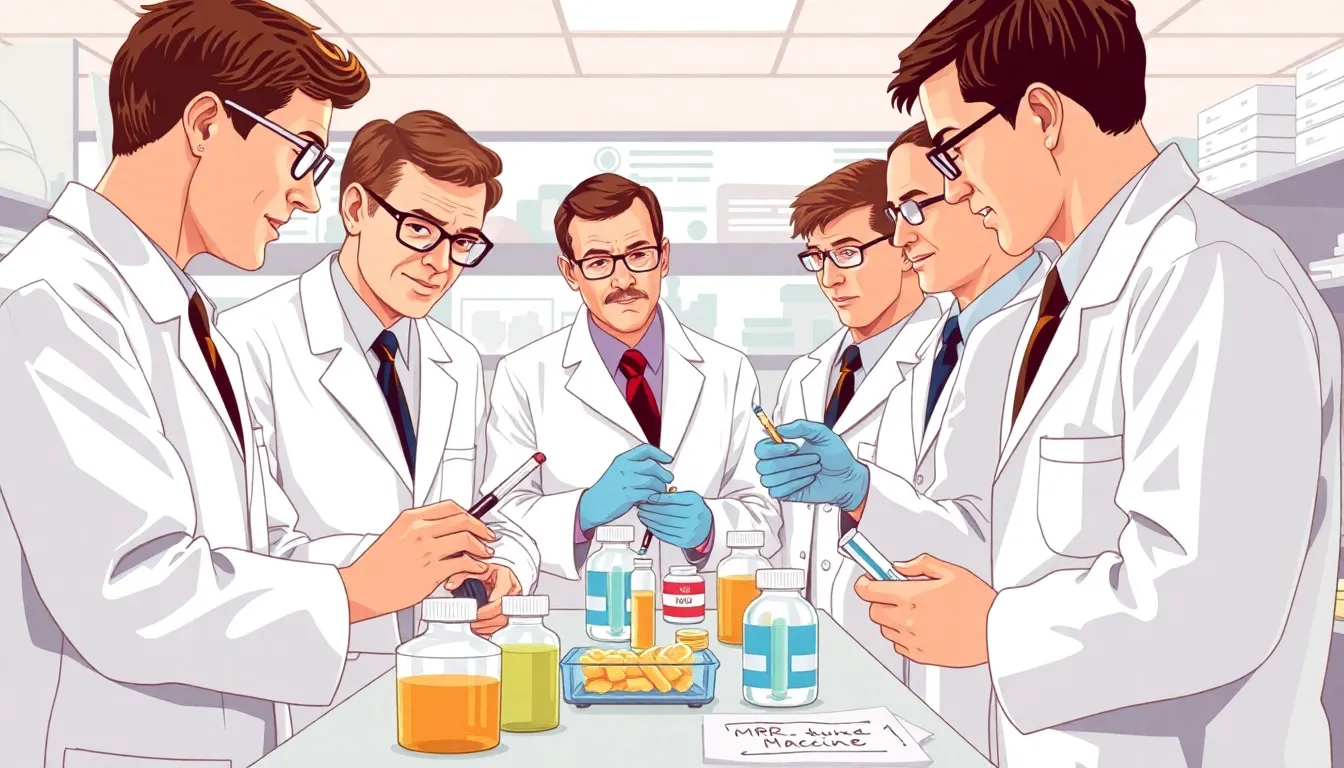
The MMR vaccine’s journey began in the late 1960s, with dedicated research aimed at combating measles, mumps, and rubella. Scientists worked on developing a combination vaccine that would ensure comprehensive protection against these diseases.
Initial Research and Trials
Initial research focused on creating effective live attenuated viruses. Scientists, including Dr. Harry Meyer and Dr. Maurice Hilleman, conducted significant work that laid the foundation for the vaccine. Clinical trials progressed through the early 1970s, displaying promising results regarding the vaccine’s safety and efficacy. By 1971, the vaccine demonstrated a strong immune response, leading to its acceptance in pediatric care protocols.
Approval and Release Date
The U.S. Food and Drug Administration granted approval for the MMR vaccine in 1971. Following its approval, the vaccine became available for public use that same year. The release marked a critical development in vaccination strategy, significantly reducing measles, mumps, and rubella cases in children. Health authorities emphasized the importance of immunization, which contributed to widespread acceptance and trust in the vaccine’s effectiveness.
Importance of the MMR Vaccine
The MMR vaccine plays a crucial role in children’s health by providing protection against measles, mumps, and rubella.
Impact on Public Health
Vaccination with the MMR vaccine significantly contributes to public health. It creates herd immunity, protecting those unable to receive the vaccine, like infants and immunocompromised individuals. Public health agencies emphasize that higher vaccination rates lead to lower transmission rates, significantly decreasing outbreaks. As a result, regions with high MMR coverage experience reduced hospitalizations and healthcare costs due to preventable illnesses. This proactive approach fosters a healthier community and alleviates the strain on healthcare systems.
Reduction of Disease Incidence
Historical data highlights a dramatic decline in disease incidence since the MMR vaccine’s introduction. For instance, measles cases decreased by over 99% in the United States after the vaccine became widely available. Mumps and rubella also saw significant reductions, with thousands of cases prevented each year. Communities benefit from fewer hospitalizations and health complications, such as pneumonia and encephalitis. Focusing on vaccination ensures continued protection against these contagious diseases, ultimately promoting well-being in future generations.
Current Recommendations
Public health officials recommend the MMR vaccine for widespread use in pediatric care. The first dose typically occurs between 12 and 15 months of age, while the second dose is administered between four and six years. Vaccination at these ages ensures comprehensive protection and supports the achievement of herd immunity.
Routine vaccination schedules align with the latest guidance from the Centers for Disease Control and Prevention (CDC). The CDC emphasizes that a two-dose regimen significantly reduces the incidence of measles, mumps, and rubella among children. Additionally, the vaccine’s safety record remains robust, with clinical studies indicating that side effects are usually mild and resolve quickly.
Healthcare providers advocate for adherence to vaccination schedules as part of preventive healthcare. Families are encouraged to maintain updated immunization records, ensuring their children receive vaccinations on time. In regions with high MMR coverage, healthcare costs decrease considerably due to fewer hospitalizations for preventable diseases.
Global health organizations also support initiatives to increase vaccination rates. Higher rates of MMR vaccination can mitigate outbreaks and protect vulnerable populations, including infants and those with compromised immune systems. The ongoing educational campaigns aim to combat misinformation surrounding vaccines, reinforcing the critical message that vaccination saves lives.
Public health strategies continue to adapt based on data, aiming for an optimal balance between vaccination coverage and disease prevention. Strategies include community outreach and improving access to vaccinations in underserved areas. Staying vigilant in vaccination efforts remains paramount, given the resurgence of vaccine-preventable diseases in some communities.
The MMR vaccine stands as a cornerstone of public health since its introduction in the early 1970s. Its development marked a turning point in the fight against measles, mumps, and rubella, diseases that once posed significant risks to children. The ongoing advocacy for vaccination underscores its critical role in protecting not just individuals but entire communities.
As vaccination rates rise, the incidence of these diseases continues to decline, demonstrating the vaccine’s effectiveness. Educating families about the importance of the MMR vaccine is essential to combat misinformation and ensure future generations remain healthy and safe. Embracing this preventive measure is vital for fostering a healthier society.